
Raffi Hovsepian
Editorial byline
Raffi Hovsepian is an editorial byline for Sweet and Salty News, with a focus on Kitchen Culture, Travel & Taste, The Daily Grind. Biographical credentials and external profiles are published only after verification.
Learn more about our editorial process and use of automation in our AI & Automation disclosure.
Coverage Areas
Latest Articles
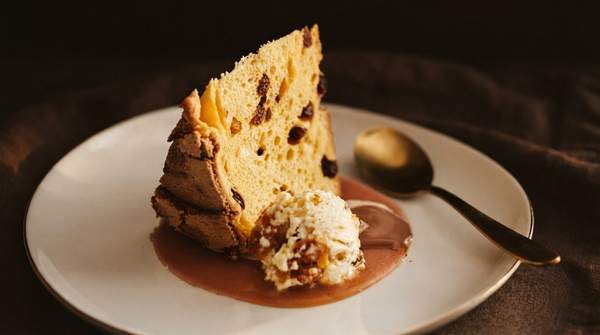
Panettone vs. Cassata Siciliana: Two Italian Desserts That Mark the Calendar
Explore how iconic Italian desserts, Panettone and Cassata Siciliana, function as markers of time, deeply tied to specific regions, seasons, and celebrations. Understand Italy's festive culinary calendar through these beloved treats.
Nov 11, 2026 · 4 min read
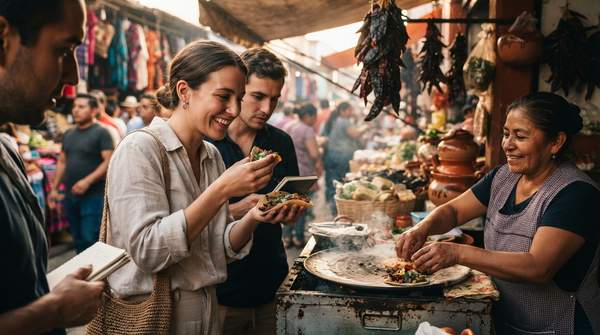
Street Crawl, Market Walk, or Private Tasting: How to Choose a Mexican Food Tour
Mexican food tours offer diverse experiences, primarily categorized as street food crawls, market explorations, and private tastings. Choosing the right tour depends on matching your travel style, desired culinary focus, and cultural immersion preferences to the format's unique characteristics.
Nov 10, 2026 · 5 min read
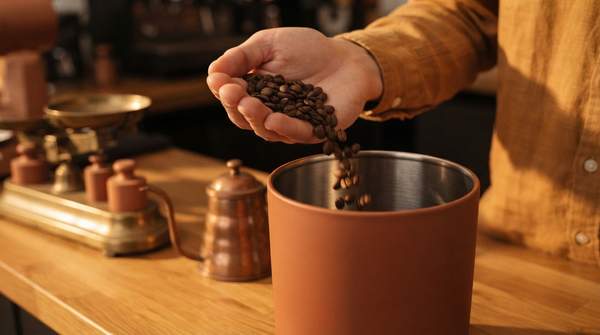
Room Temperature or Freezer? A Practical Guide to Storing Coffee Beans for Lasting Freshness
Discover the best way to store your coffee beans for maximum freshness, whether using room temperature storage or the freezer. Learn how factors like air, light, and heat impact flavor and what container features are essential for preservation.
Nov 9, 2026 · 4 min read
From Green Bean to Cup: How the Maillard Reaction and Caramelization Create Light, Medium, and Dark Roast Flavors
The distinct flavors of light, medium, and dark coffee roasts are created by the Maillard reaction and caramelization, chemical processes that transform green beans through heat. Understanding these reactions helps explain how acidity, sweetness, body, and aroma develop, guiding both roasters and brewers.
Nov 6, 2026 · 4 min read
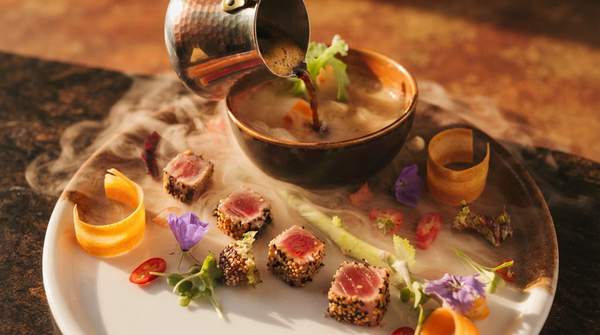
Why Strawberry and Coriander Work: The Shared-Compound Science of Flavor Pairing
The "shared compound" theory explains why certain food pairings, like strawberry and coriander, work harmoniously by identifying ingredients that share key aroma molecules. This scientific approach offers a systematic way to discover new flavor combinations beyond tradition and intuition.
Nov 6, 2026 · 4 min read
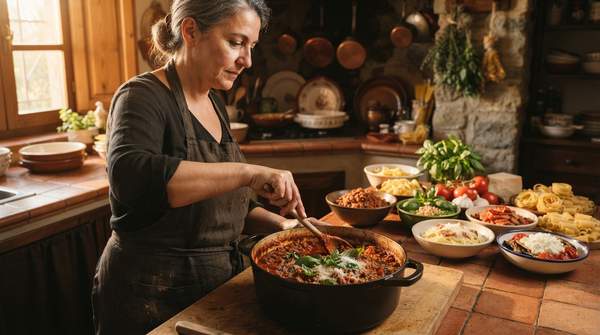
Edible Geography: What Five Regional Italian Pasta Sauces Reveal About Where They Come From
Italian pasta sauces are deeply rooted in regional geography, agriculture, and history, with ingredients like olive oil, specific cheeses, and local produce mapping directly to their place of origin. Explore how iconic sauces reveal the unique landscapes and traditions of their respective regions.
Oct 31, 2026 · 4 min read

Five Culinary Museums, Five Ways of Telling Food History
Explore five distinct food museums and exhibits, each offering a unique lens on culinary history, from regional deep dives to conceptual provocations. This guide helps you choose your next food history adventure based on your interests.
Oct 30, 2026 · 6 min read
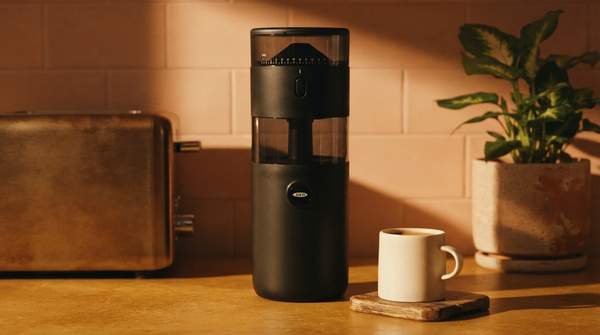
Flat or Conical: Choosing a Burr Grinder for Body or Clarity
Flat and conical burr grinders produce different particle size distributions due to their mechanical designs, impacting coffee extraction and leading to a trade-off between full body and flavor clarity.
Oct 28, 2026 · 5 min read
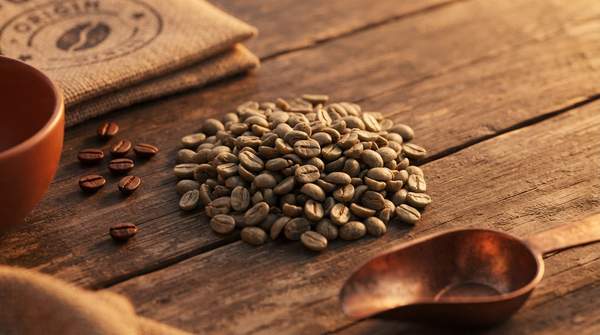
From Bright to Bold: The Chemistry That Turns One Green Bean into Three Very Different Coffees
Light, medium, and dark coffee roasts are not different beans but the same green coffee bean transformed through a single chemical timeline. Understanding the stages of roasting, from drying and Maillard reactions to caramelization and pyrolysis, explains the flavor evolution from bright and fruity to smoky and bold.
Oct 26, 2026 · 5 min read

Flavor Is a Brain Construct: How Taste, Smell, Touch, Sight and Sound Combine
Flavor is not an inherent property of food but a complex perception constructed by the brain through the integration of taste, smell, touch, sight, and sound. Understanding this multisensory framework reveals how external factors and sensory inputs combine to shape our dining experiences.
Oct 26, 2026 · 5 min read
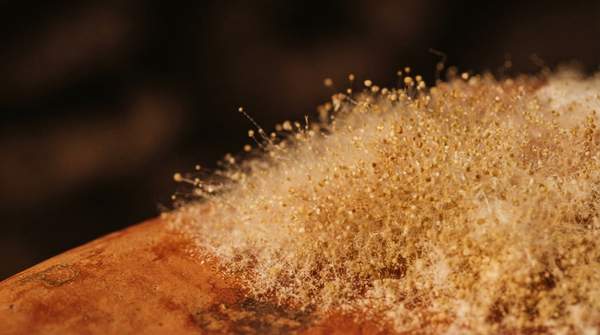
How Koji Fermentation Works: The Enzymatic Science Behind Miso, Soy Sauce, and Sake
Koji fermentation relies on the mold Aspergillus oryzae to break down starches into sugars and proteins into amino acids, creating sweetness and umami that form the flavor foundation for miso, soy sauce, sake, and other fermented foods.
Oct 26, 2026 · 5 min read
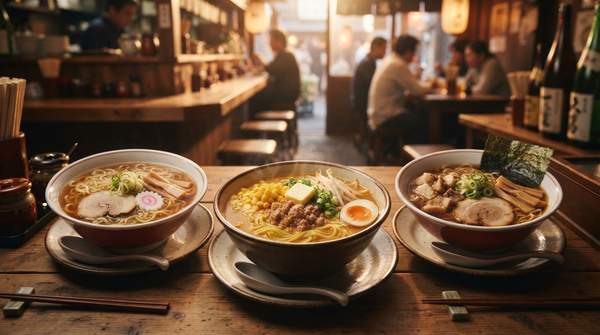
Sapporo, Kitakata, Onomichi: How to Tell Japan's Regional Ramen Apart
Learn to distinguish between three iconic Japanese regional ramen styles: Sapporo's hearty miso, Kitakata's light soy with flat noodles, and Onomichi's seafood-infused soy. Understanding their unique broths, noodles, and toppings helps you choose your perfect bowl.
Oct 25, 2026 · 5 min read
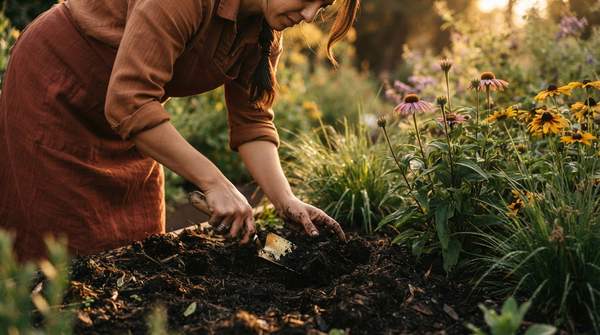
How Compost and Native Plants Build a Self-Sustaining Garden
Create a self-sustaining garden by focusing on two core practices: enriching soil with compost and organic matter, and increasing biodiversity with a variety of plants, especially natives. These actions build a resilient ecosystem that requires fewer external inputs.
Oct 25, 2026 · 4 min read
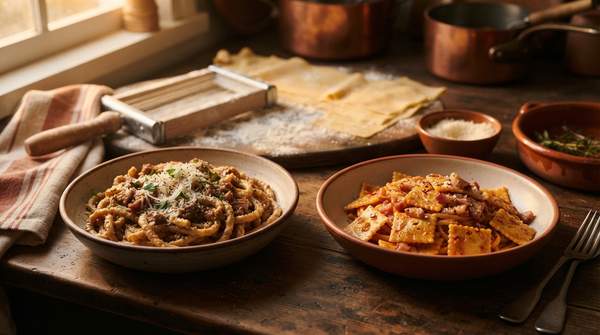
Why Bigoli and Pasta alla Chitarra Were Built for Their Sauces: The Functional Logic of Regional Italian Pasta
Regional Italian pasta shapes are functional designs, engineered to perfectly complement their traditional sauces based on texture and geometry. The article explores Bigoli and Pasta alla Chitarra as prime examples of this culinary logic.
Oct 24, 2026 · 5 min read
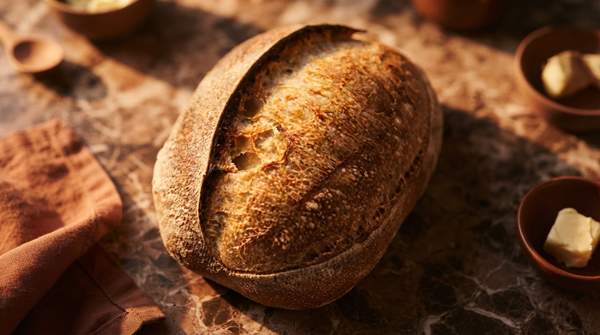
Sourdough Science, Decoded: How Temperature, Hydration, and Flour Decide Your Loaf
Understand how temperature, hydration, and flour type control sourdough fermentation, impacting your loaf's rise, crumb, and flavor. Learn to diagnose and fix common issues by adjusting these key variables.
Oct 22, 2026 · 6 min read
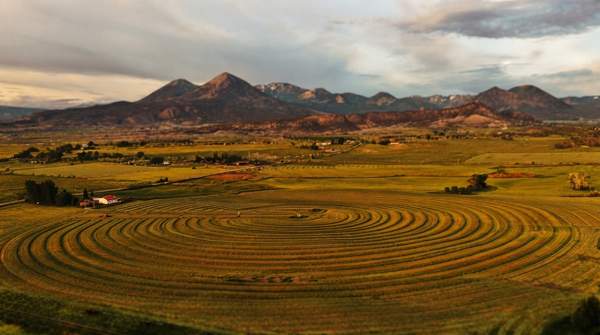
Sustainable Agriculture Explained: How Soil Health, Water Conservation, and Biodiversity Work Together
Sustainable agriculture is a system built on three interlocking principles: healthy soil, wise water use, and biodiversity. This article explains how these principles connect to specific farming practices and their documented benefits for environmental quality and food system resilience.
Oct 21, 2026 · 5 min read
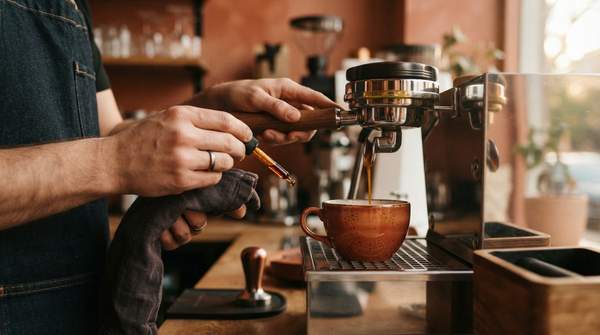
Fixing Sour, Bitter, or Weak Coffee: How Extraction Sequence Guides Your Next Adjustment
Understanding the predictable sequence of coffee extraction—fats/acids first, then sugars, then bitter fibers—allows you to diagnose and fix sour, weak, or bitter coffee. Adjusting grind size, water temperature, or contact time guides your brew toward a balanced flavor.
Oct 20, 2026 · 4 min read
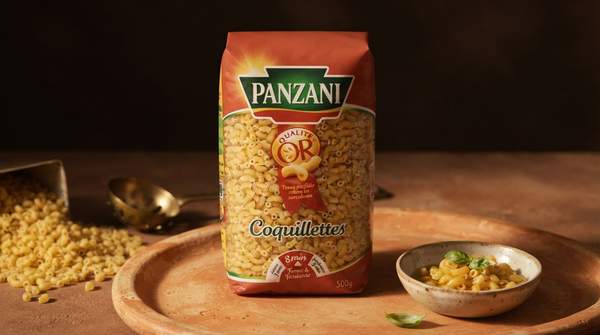
Panzani and Cerealis to Merge Into €1 Billion European Food Group
Panzani and Cerealis have entered exclusive negotiations to merge, aiming to create a new European food group with approximately €1 billion in combined annual revenues. The proposed union combines complementary product portfolios and geographic footprints, backed by CVC Capital Partners, Sofina, and Cerealis' founding families.
Oct 18, 2026 · 4 min read
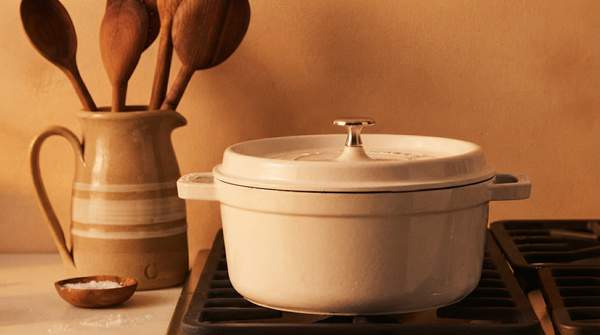
Lodge, Goldilocks, and the Le Creuset Question: Which Affordable Dutch Oven Earns Its Price?
Discover which affordable enameled cast iron Dutch ovens, like Lodge and Goldilocks, offer the best value compared to premium brands like Le Creuset. This guide synthesizes reviews to help you balance cost, quality, and performance for your kitchen.
Oct 16, 2026 · 5 min read
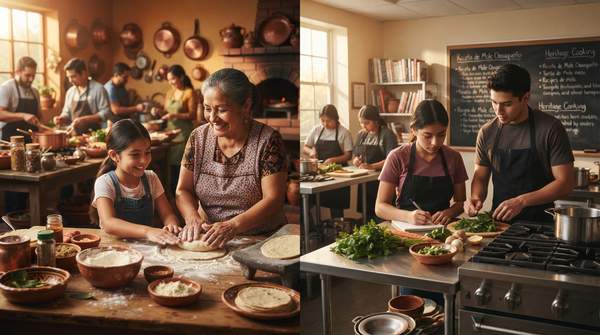
Two Ways Food Education Preserves Culinary Heritage: Classrooms and Community Kitchens
Food education preserves culinary traditions through two distinct models: formal, school-based programs building broad cultural literacy, and community-led projects reclaiming specific narratives and fostering solidarity. Each model offers a different approach to cultural continuity, one aiming for general understanding and the other for deep, targeted engagement.
Oct 16, 2026 · 6 min read