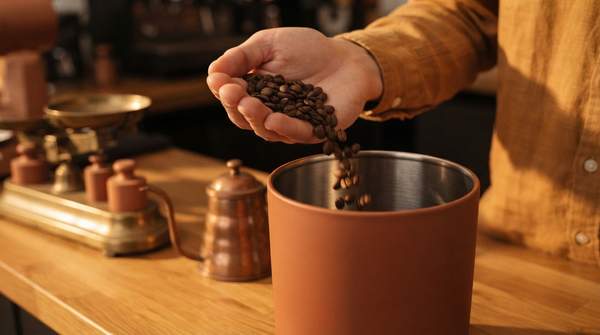
For most home baristas, the best storage method is simple: keep whole beans in an airtight, opaque container in a cool, dark place, and use them within two to four weeks of roasting. Freezing is the better choice only when you have more coffee than you can finish in that window — and it works well, provided you divide the beans into small sealed portions and never let them thaw and refreeze. The right decision comes down to how much coffee you buy and how quickly you drink it.
The Enemies of Freshness: Understanding Coffee Degradation
Coffee stales through exposure to a handful of environmental factors, and understanding them explains every storage recommendation. Exposure to air, light, and heat are key factors that degrade coffee over time. As beans are exposed to oxygen, they begin to lose the compounds responsible for aroma and flavor. Light accelerates the breakdown of oils and flavor compounds in the beans, which is why clear glass jars on a countertop are a poor choice despite their popularity. Heat is another factor that degrades coffee, making stovetop shelves and sunny windowsills particularly bad homes for coffee. Moisture is the fourth threat, and it matters most in the freezer: allowing cold beans to warm up creates condensation, which ages the coffee.
Surface area matters too. Stone Creek Coffee, a specialty roaster, notes that ground coffee has significantly more surface area exposed to air, which speeds up staling dramatically. That is why the roaster advises always storing beans whole and grinding right before brewing — and why Starbucks suggests using ground coffee within about a day, compared with roughly a week of peak freshness for opened whole beans.