
Marco Alves
Editorial byline
Marco Alves is an editorial byline for Sweet and Salty News, with a focus on The Cellar & Vine, Behind the Bar, Global Drink Culture. Biographical credentials and external profiles are published only after verification.
Learn more about our editorial process and use of automation in our AI & Automation disclosure.
Coverage Areas
Latest Articles
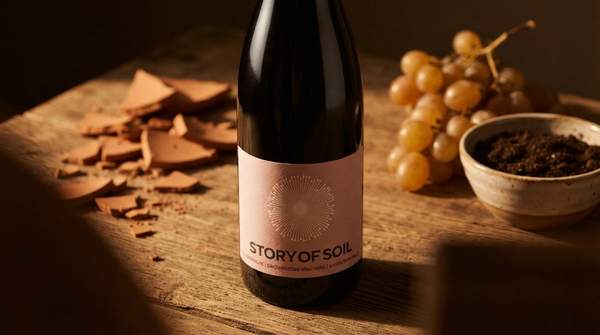
Why Soil Shapes Wine: The Four Mechanisms Behind Terroir
Soil influences wine not by direct flavor transfer, but by controlling vine physiology through water management, nutrient availability, heat retention, and microbial life. Understanding these four mechanisms allows for predicting a wine's style based on its soil.
Nov 10, 2026 · 5 min read
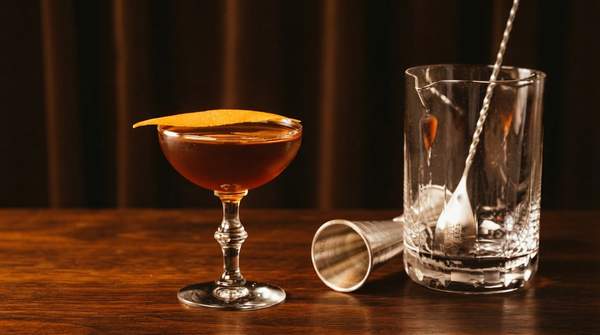
Manhattan, Sazerac, or Old Fashioned: How to Pick the Right Rye Cocktail for Your Palate
This article guides readers in selecting the perfect rye cocktail—Manhattan, Sazerac, or Old Fashioned—based on their individual taste preferences for spice, sweetness, and complexity. It breaks down the unique characteristics of each drink, highlighting how variations in ingredients shape the final flavor profile.
Nov 8, 2026 · 4 min read

Beyond the Recipe: The Three Pillars of Cocktail Flavor Science
Cocktail flavor is engineered through the science of taste, aroma, temperature, and texture, understood via three pillars: the spirit's base, the balance of sweet, sour, and bitter, and the aromatic finish. Mastering these elements allows for intentional flavor design.
Nov 8, 2026 · 4 min read
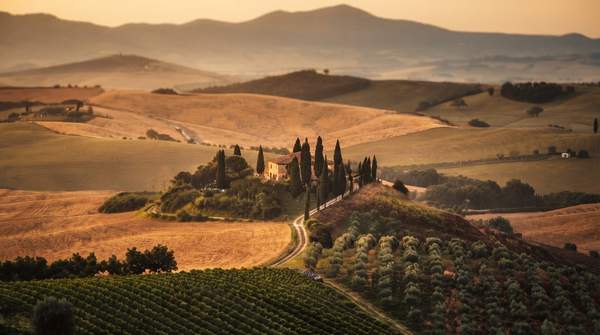
Biodynamic Beyond Organic: The Three Tenets That Define Demeter-Certified Vineyards
Biodynamic viticulture builds upon organic farming by treating the vineyard as a self-sustaining organism, incorporating mandatory preparations, and adhering to lunar and cosmic cycles. Demeter certification signifies this holistic approach, distinct from USDA Organic standards.
Nov 6, 2026 · 5 min read
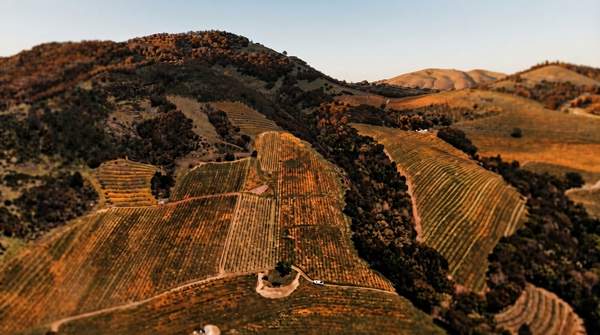
Climate Change Is Redrawing the World's Wine Map: Who Loses, Who Wins, and What It Costs to Adapt
Climate change is reshaping global wine production, impacting grape yields, quality, and the economic viability of traditional regions. Producers must adapt through varietal changes, vineyard management, and potential relocation to navigate shifting wine geographies and economic challenges.
Nov 5, 2026 · 5 min read
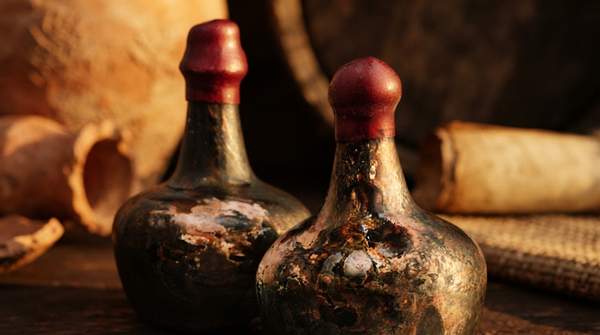
How Oxidation, Esterification, and Polymerization Turn Grape Juice Chemistry into Aged Wine
Wine ages through three slow chemical reactions: oxidation, esterification, and polymerization. These processes transform young wine's profile into complex tertiary aromas, altered color, and a smoother mouthfeel by altering compounds like phenolics, acids, and alcohols.
Oct 29, 2026 · 5 min read
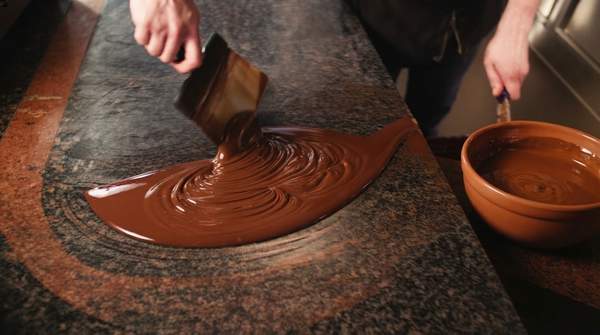
Why Dark, Milk, White, and Ruby Chocolate Each Need Their Own Tempering Temperatures
The specific composition of dark, milk, white, and ruby chocolates, including their cocoa butter, cocoa solids, and milk fat ratios, dictates unique tempering temperature curves for each type. Understanding these chemical differences is key to achieving a glossy finish and a clean snap.
Oct 28, 2026 · 5 min read
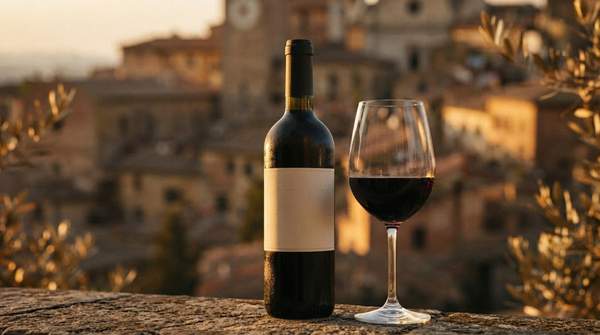
Why Tuscan Clay and Etna's Volcanic Ash Taste Different in the Glass: A Terroir Explainer
Terroir, the combined influence of soil, climate, topography, and human tradition, explains why Tuscan wines differ from those of Sicily's Mount Etna. Tuscan clay yields Sangiovese with body and structure, while Etna's volcanic soils and altitude produce reds of freshness and acidity.
Oct 27, 2026 · 5 min read
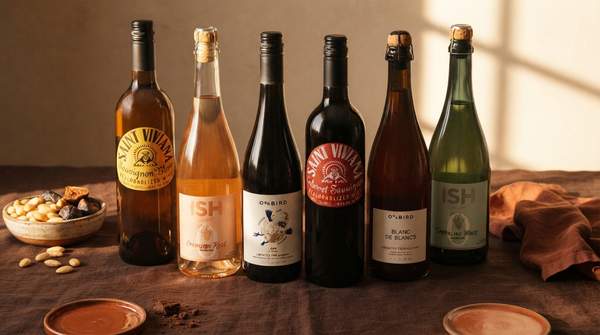
How Non-Alcoholic Spirits Are Made: Three Scientific Pathways to Flavor, Aroma and Bite
Non-alcoholic spirits are crafted using three distinct scientific pathways: building flavor into a zero-proof base, using alcohol as a temporary solvent for extraction, or dealcoholizing a fermented beverage. Understanding these methods helps predict a spirit's final flavor, aroma, and mouthfeel.
Oct 27, 2026 · 4 min read
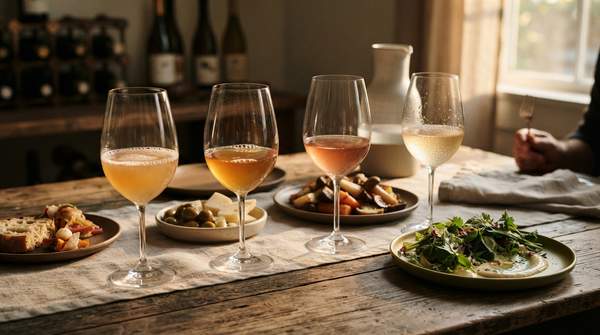
How to Pair Natural Wine with Any Meal: A Four-Profile Decision Framework
Learn to pair natural wines with any meal using a four-profile decision framework. This guide helps identify dominant wine characteristics like funk, oxidation, earthiness, or texture to match them with complementary food elements.
Oct 25, 2026 · 4 min read
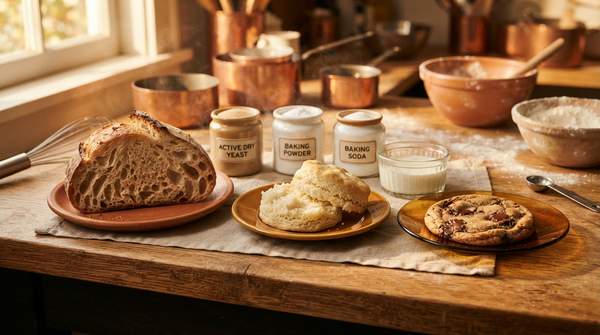
Yeast, Baking Soda, or Baking Powder? Choosing Your Leavener by Ingredient and Rise Time
Choosing the right leavening agent—yeast, baking soda, or baking powder—depends on your recipe's acidic ingredients and desired rise time. Understand how each works to achieve the perfect baked good texture.
Oct 24, 2026 · 5 min read
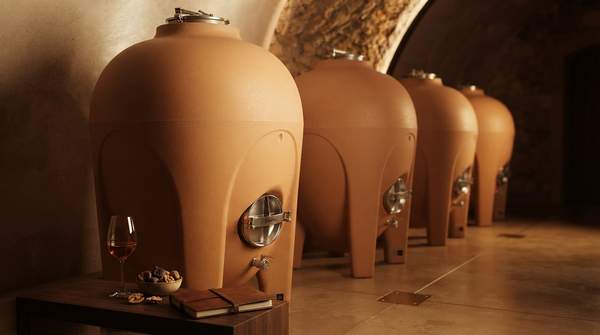
Stainless Steel vs. Concrete vs. Amphora: How Non-Oak Aging Vessels Shape What's in Your Glass
Explore how stainless steel, concrete, and clay amphorae, unlike oak, shape wine through controlled oxygen exposure and thermal properties. Understanding these non-oak aging vessels reveals how winemakers achieve distinct textures and aromatic profiles.
Oct 23, 2026 · 5 min read

How Ergonomic Bar Design Turns a Cocktail Station Into a Profit Engine
An efficient professional bar prioritizes movement and organization through ergonomic design. By optimizing functional zones and bartender reach, businesses can reduce wasted steps and staff strain, directly boosting drink production and profitability.
Oct 23, 2026 · 5 min read
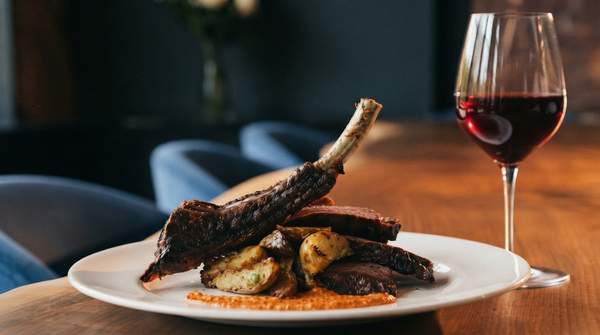
Why Some Wine and Food Pairings Sing and Others Clash: A Component-by-Component Framework
Discover the science behind successful food and wine pairings by analyzing their structural components and understanding complementary versus contrasting interactions. This framework empowers you to confidently predict and create harmonious dining experiences.
Oct 22, 2026 · 5 min read
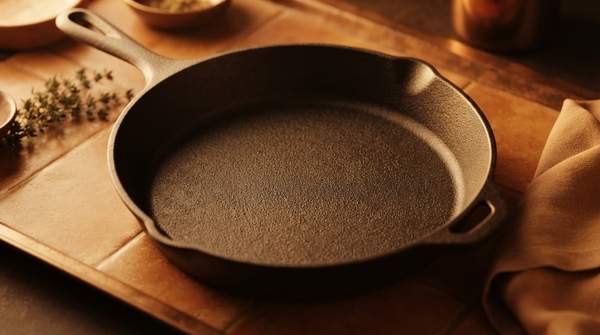
From Liquid Oil to Polymer Armor: The Chemistry That Makes Cast Iron Non-Stick
Cast iron seasoning is a self-made plastic formed by polymerizing thin layers of oil and carbon residue. Understanding the chemistry of fatty acids and heat is key to building a durable, non-stick surface.
Oct 21, 2026 · 6 min read
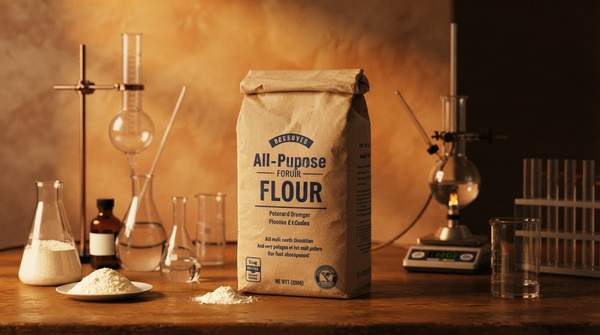
Why Gluten-Free Baking Fails—and How Flours, Starches, and Binders Rebuild What Gluten Did
Gluten-free baking failures stem from the absence of gluten's complex functions, but understanding how whole grain flours, starches, and binders work together can rebuild structure and texture. This article offers a scientific approach and diagnostic framework to overcome common gluten-free baking challenges.
Oct 21, 2026 · 5 min read
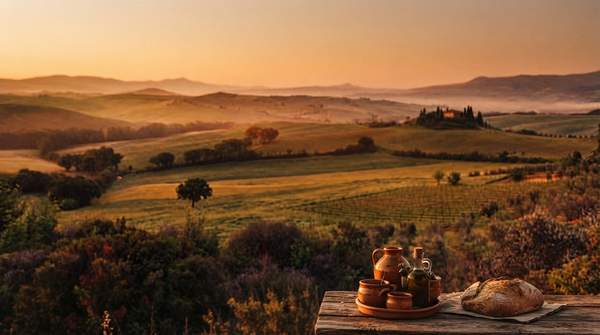
Terroir Explained: How Climate, Soil, and Human Hands Shape What's in Your Glass
Terroir is the combined influence of climate, soil, topography, and human choices on a wine's character, offering a deeper understanding beyond grape variety. This article breaks down the scientific framework of terroir into its physical, biological, and human components, explaining how they interact to shape what's in your glass.
Oct 20, 2026 · 5 min read

Four Tools, One Home Bar: The Essential Starter Kit for Classic Cocktails
You don't need a fortune or a cabinet full of gadgets to make great cocktails at home. A compact core of four essential tools—a cocktail shaker, jigger, strainer, and bar spoon—purchased individually, is all you need to master classic recipes.
Oct 19, 2026 · 4 min read
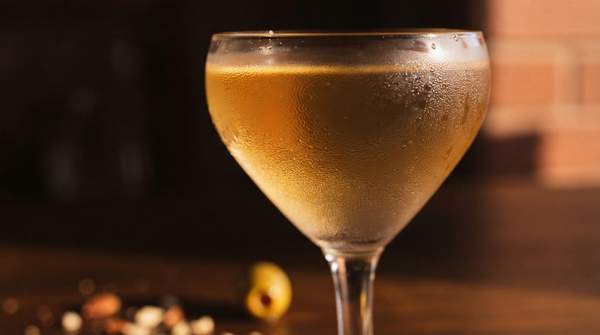
The Obituary Cocktail: How Gin, Vermouth and Absinthe Became a New Orleans Signature
The Obituary Cocktail, a potent mix of gin, dry vermouth, and absinthe, has become a signature drink embodying the unique spirit of New Orleans. This guide explores its cultural symbolism and compares two distinct recipe variations, highlighting how ingredient choices shape its character.
Oct 18, 2026 · 4 min read
Four Strategies Food Businesses Are Using to Win Over GLP-1 Consumers
Food businesses are implementing four core strategies—reformulation, new product development, portion reduction, and strategic marketing—to adapt to the profound consumer behavior shifts driven by the rise of GLP-1 weight-loss medications.
Oct 18, 2026 · 5 min read