The Obituary Cocktail is, at its core, a martini with a menacing streak: gin and dry vermouth sharpened with absinthe, then named after a death notice. It is a drink that bartenders in New Orleans describe as capturing the city itself. Clayton Rosenthal, who runs the drinks programme at Fives, a cocktail and oyster bar in a historic 19th-century building on Jackson Square, told BBC Travel that the drink "sums up the allure and the appeal of the city." This guide explains what the cocktail means to New Orleans and compares two documented ways to make it at home.
The Obituary Cocktail: A Sip of New Orleans History
The Obituary belongs to a small family of drinks that take a familiar template and push it toward the theatrical. Structurally, it is a gin-and-vermouth martini; what sets it apart is the addition of absinthe, the anise-flavoured spirit long wrapped in legend and prohibition-era notoriety. The result is a cocktail that borrows a martini's strength and then announces itself with a name that no other city's bar culture would wear quite so proudly.
Rosenthal's version, served at Fives, pairs Old Tom gin with Drapo Dry vermouth and Mata Hari absinthe. His warning to first-time drinkers is characteristically direct: "The first sip can be a bit of a punch in the mouth." That combination of potency and playfulness is precisely what has kept the drink alive on French Quarter menus, where it functions less as a refreshment than as a small ceremony.
Cultural Symbolism: Life, Death, and the Crescent City
The drink's symbolism lies in its name. As BBC Travel's Andrew Nelson observed, the Obituary combines "a martini's wallop with one of the world's most notorious spirits and then names the result after a death notice." In most drinking cultures, that would read as morbid. In New Orleans, a city whose traditions have long treated mourning and celebration as intertwined, it reads as an invitation.
This is why the cocktail has become emblematic rather than merely historical. It compresses the city's character into a glass: strength without apology, a flirtation with danger, and a sense of humour about mortality. Rosenthal's assessment that the drink encapsulates the city's "allure and appeal" suggests the Obituary works as shorthand for New Orleans precisely because it does not soften itself for outsiders. The drink demands attention on its own terms, much like the city that claims it.
Crafting the Obituary: Recipe Variations Explained
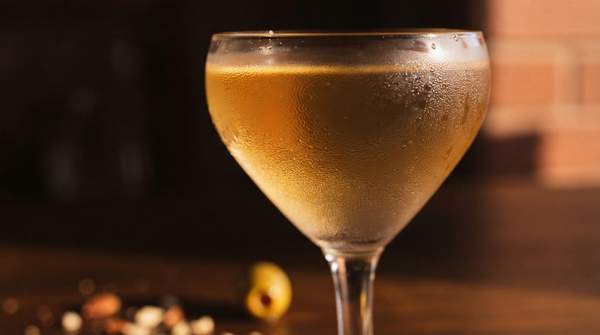
The most widely published modern recipe comes from PUNCH, which specifies a precise, reproducible build: 2¾ ounces of gin, such as Hayman's London Dry or Thomas Dakin Red Cole; ½ ounce of dry vermouth, such as Bordiga Extra Dry; and 6 dashes of absinthe, such as La Muse Verte. The method is straightforward: combine everything in a mixing glass, add ice, stir to chill, and strain into a chilled Martini glass. A lemon twist is expressed over the drink and then discarded, contributing its oils without leaving fruit in the glass.
Rosenthal's interpretation at Fives takes a different route. He substitutes Old Tom gin—a slightly sweeter, maltier style of gin—for the London Dry called for in the PUNCH recipe, keeps the vermouth dry with Drapo, and builds his absinthe contribution around Mata Hari. His version illustrates how the same three-ingredient skeleton can produce noticeably different drinks depending on the bottles chosen.
Obituary Cocktail Recipe Variations: A Comparative Guide
The table below compares the two documented approaches side by side. The flavor descriptions reflect the general character of each spirit category rather than published tasting notes for this specific cocktail, and Rosenthal's exact measurements and absinthe quantity have not been published, so home bartenders wanting to approximate his version should start from the PUNCH proportions and adjust.
| Dimension | PUNCH Recipe (Modern Classic) | Fives Variation (Clayton Rosenthal) |
|---|---|---|
| Gin | 2¾ oz London Dry (Hayman's or Thomas Dakin Red Cole) — drier, juniper-forward base | Old Tom gin — typically slightly sweeter and maltier |
| Vermouth | ½ oz dry vermouth (Bordiga Extra Dry) — crisp, herbal | Drapo Dry vermouth — likewise dry and herbal |
| Absinthe | 6 dashes (La Muse Verte), stirred directly into the drink, distributing the anise flavor throughout | Mata Hari absinthe; quantity and application method not published |
| Garnish and method | Lemon twist, expressed and discarded; stirred, strained into a chilled Martini glass | Not published |
The practical takeaway from this comparison is a choice between two profiles. The PUNCH build, with London Dry gin and measured dashes of absinthe, delivers a sharper, more juniper-driven drink in which the absinthe is woven evenly through every sip. Swapping in Old Tom gin, as Rosenthal does, softens the edges and adds a gentle sweetness, producing a rounder, more approachable interpretation—though one that still carries the punch he warns about.
Craft Your Own Obituary: A Personal Choice
Readers can confidently select and prepare an Obituary Cocktail variation that aligns with their taste preferences by understanding the impact of gin and vermouth choices. The simplest starting point is the fully specified PUNCH recipe, which requires only London Dry gin, dry vermouth, absinthe, and a lemon twist; from there, substituting Old Tom gin moves the drink toward Rosenthal's sweeter, maltier Fives style. Neither version is definitive, and the drink's New Orleans character comes as much from its audacity as from any single formula. The measurable indicator of success is straightforward: successful preparation of a preferred Obituary Cocktail variation at home, evidenced by taste and enjoyment—ideally one that lands as a deliberate, bracing pleasure rather than the "punch in the mouth" Rosenthal promises the unprepared.