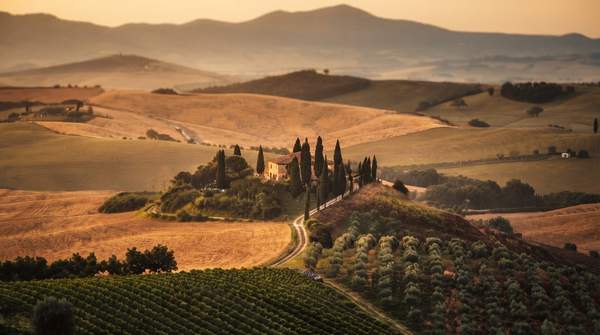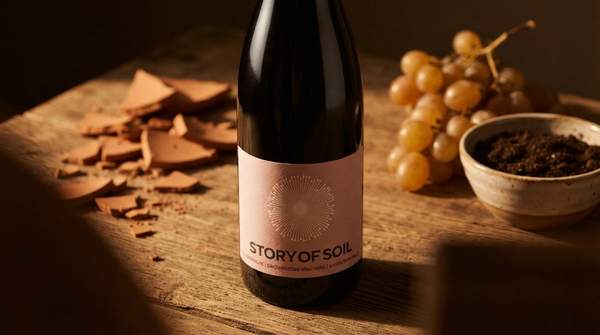
Soil does not give wine its flavor—at least not directly. What it does, as wine educator Kiana Keys puts it, is control "everything that leads to flavor": how much water vines receive, how deep roots grow, and how much stress the vine experiences. That last element matters most. Vines that struggle slightly tend to produce smaller grapes with more concentrated flavor precursors, yielding wines with more structure and intensity. This is the core of terroir: a wine's sense of place is built not from literal tastes of earth, but from the physical and chemical conditions a soil imposes on the vine. Understanding four mechanisms—water management, nutrient availability, heat retention, and microbial life—lets you predict how any soil will shape a wine, rather than memorizing regional pairings.
The Unseen Architect: How Soil Shapes Wine
The persistent myth that wine tastes of the earth it grew in has never been proven, as Wine Folly's Madeline Puckette notes in her guide to soil types; earthy aromas in wine are not established as direct transfers from dirt to glass. What soil demonstrably governs is the grapevine's physiology. A vine dislikes "wet feet," Tim Atkin's vineyard guide explains, so drainage is vital—yet it also needs access to moisture, so water retention matters too. The same source describes temperature effects: warm soils like gravel, sand, and loam advance ripening, while cold soils like clay retard it, and dark, dry soils run warmer than light, wet ones.
Nutrients and chemistry add a second layer. High-pH alkaline soils such as chalk, Atkin's guide reports, encourage the vine's metabolism to produce sap and grape juice with relatively high acid content—an early, tangible link between a soil's chemistry and a wine's acidity. Metro Wines Asheville's terroir explainer extends the chain further, noting that mineral composition affects how grapevines metabolize nutrients: potassium-rich soils may enhance fruity aromas, while calcium-rich soils can contribute acidity. Each mechanism operates on the vine, not on the flavor directly.