
Fermentation
5 articles
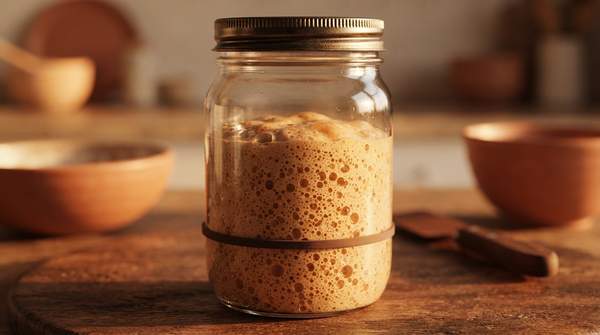
How Microbes Build Flavor: The Bacteria, Yeasts, and Molds Behind Your Sourdough, Kimchi, and Miso
Microbes like bacteria, yeasts, and molds are the architects of flavor in fermented foods, breaking down food components to create acids, alcohols, and aromatic compounds. Home fermenters can steer these complex processes by controlling environmental factors such as temperature, salt, and oxygen.
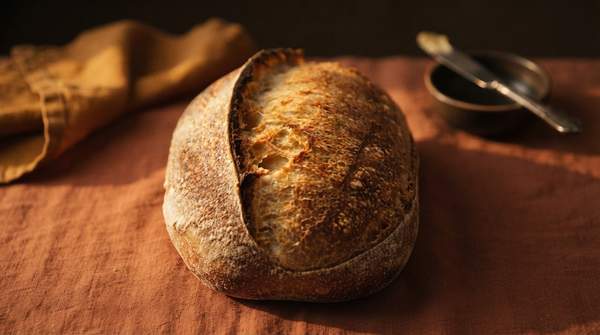
Why Your Sourdough Tastes the Way It Does: Yeast, Lactobacillus, and the Battle of Two Acids
Sourdough's characteristic tang comes from lactic and acetic acids produced by bacteria, not yeast, which provides the rise. Bakers can control the balance of these acids, and thus the bread's flavor profile, by adjusting fermentation temperature, feeding frequency, and flour type.
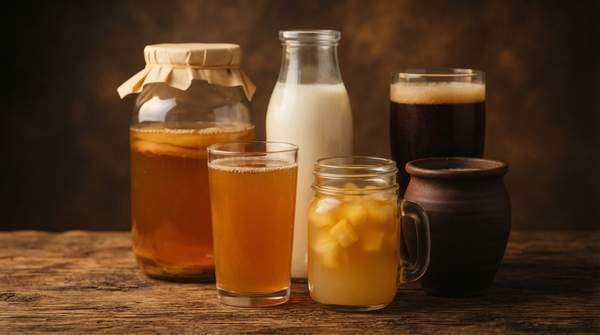
Brewing Your First Kombucha: How Time, Temperature, and pH Move Your Tea From Sweet to Tart
Learn to brew your first batch of kombucha by controlling key fermentation factors like time, temperature, and pH. This guide explains how these elements transform sweet tea into your desired tart beverage.
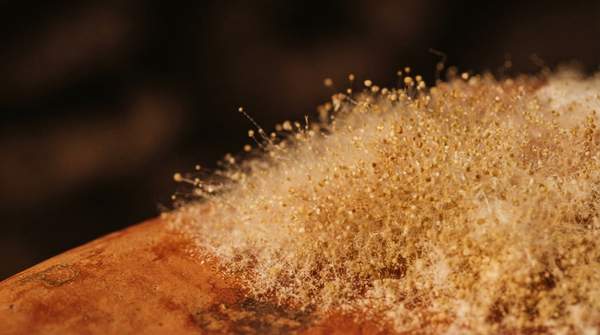
How Koji Fermentation Works: The Enzymatic Science Behind Miso, Soy Sauce, and Sake
Koji fermentation relies on the mold Aspergillus oryzae to break down starches into sugars and proteins into amino acids, creating sweetness and umami that form the flavor foundation for miso, soy sauce, sake, and other fermented foods.
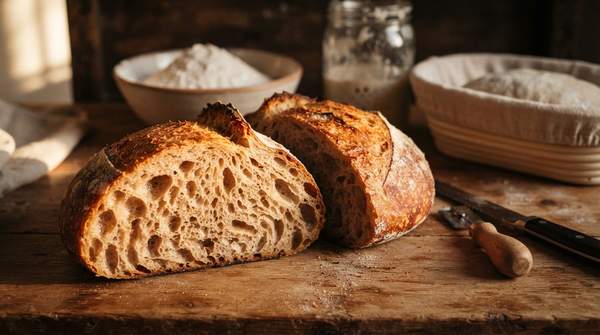
How Flour, Water, and Time Build the Gluten Network That Shapes Your Sourdough Crumb
The sourdough crumb is a direct result of the gluten network formed by flour proteins, water, and time. Understanding how hydration, fermentation, and mechanical development influence this network allows bakers to intentionally design their desired crumb structure.