Here's the short version: kombucha is sweet tea transformed by a partnership of yeast and bacteria, and you control the outcome. Ferment it a short time and it stays sweet; let it run longer, or keep it warmer, and it turns progressively tart and vinegary. Your first batch needs about 30 minutes of hands-on work, a 7–14 day ferment at 65–85°F, and a starting pH below 4.5. Hit those marks, taste along the way, and you can land the flavor exactly where you like it.
Understanding Kombucha: More Than Just Tea
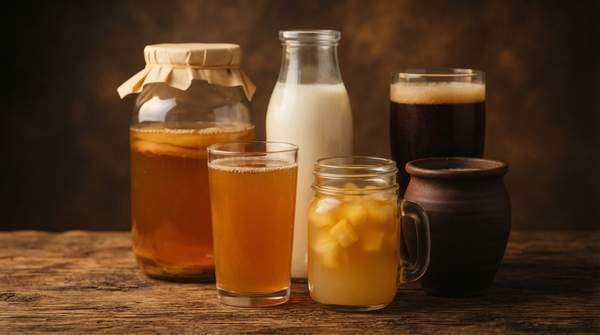
So what is this stuff, really? Kombucha is a fermented tea beverage with a bit of fizziness that tastes slightly vinegary and slightly sweet, as microbiologist Justine Dees explains in her home-brewing guide. That dual character isn't an accident of the recipe — it's the direct signature of the fermentation itself.
The starting point is unremarkable: sweet tea. Add a culture, give it time, and the sugar gets steadily converted into acids and a little alcohol. The American Homebrewers Association notes that how much conversion happens before you call it done determines whether your kombucha comes out sweet, balanced between sweet and tart, or mostly tart. Some sugar always remains unfermented — the question is how much.
That means the flavor isn't fixed by any recipe. It's a moving target you steer by deciding when to stop. Which brings us to the thing doing all the work.