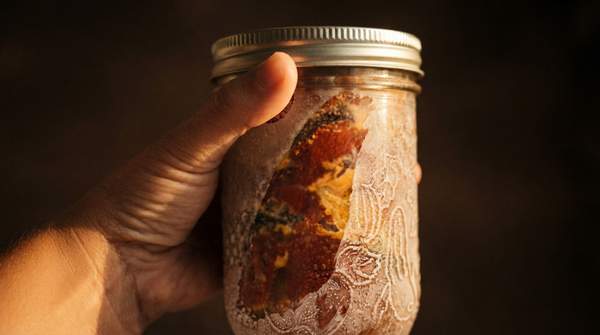
Yes, you can freeze food in glass — but only in the right glass, and only with the right technique. The containers that shatter in freezers are almost always regular annealed soda-lime glass hit by thermal shock; the ones that survive are borosilicate or tempered glass, handled with a few simple precautions. Get the glass type right, leave room for expansion, and thaw gradually, and glass becomes one of the best freezer tools you own.
Understanding Glass Types: Why Some Withstand the Cold
Let's start with the villain: thermal shock. When glass faces a sudden temperature swing, one surface expands or contracts faster than the other. That uneven movement creates internal stress, and if the stress exceeds what the glass can absorb, it cracks — sometimes violently. I've seen the aftermath described as a freezer that "looked like a crime scene" after a hot chili jar went straight into the cold. Not fun.
How well a glass handles that stress comes down to one number: its coefficient of thermal expansion. That's simply how much the material grows or shrinks per degree of temperature change. The lower the number, the less the glass moves when temperatures swing, and the less internal stress it experiences.
Borosilicate glass is the champion here. It's an engineered glass — silica combined with boron trioxide as the main glass-forming components — originally developed for laboratory conditions too harsh for household glass. According to the widely cited technical description of the material, borosilicate has a very low coefficient of thermal expansion, roughly 3 × 10⁻⁶ K⁻¹ at 20 °C, and can withstand temperature differentials of about 330 °F (166 °C) without fracturing. In plain terms: it barely flinches going from freezer to heat and back.
Tempered glass is a different route to the same destination. It starts as regular soda-lime glass, but a controlled tempering process strengthens it, boosting both its durability and its resistance to temperature changes. Kitchenware makers like de Buyer note that tempered glass is considered freezer-safe and can stay in the freezer indefinitely without degrading — though food quality still depends on storage time, airtight seals, and stable freezer temperatures.
Then there's regular annealed soda-lime glass — the everyday stuff. It's the most commonly produced glass in the world, made primarily of silica (about 70–75%) along with sodium oxide and calcium oxide. It's chemically stable and durable for ordinary use, but it lacks boron's low-expansion chemistry and hasn't been tempered, so it carries a higher expansion coefficient and much less tolerance for thermal stress. This is the glass that cracks or shatters when it meets rapid temperature changes. If your container doesn't say borosilicate, tempered, or freezer-safe, treat it as this category.
One practical note: don't rely on brand names alone. Some newer Pyrex-style dishes are borosilicate; older or other lines may be tempered soda-lime. Check the label for the actual glass type or a freezer-safe marking.