Here's the short answer: a sophisticated cheese board needs five accompaniment types doing distinct jobs — fruit spreads, honey, nuts, olives, and a supporting cast of charcuterie and crackers — and each one flatters a different cheese family. The pairings aren't guesswork. They follow a repeatable logic of flavor and texture contrast, and once you see the pattern, you can improvise with confidence instead of copying someone else's board.
Crafting the Perfect Cheese Board: Beyond the Basics
I used to think accompaniments were decoration. They're not — they're the balance mechanism. As Cheese Grotto's artisan board guide puts it, "The foundation of every great board is variety across three dimensions: texture, intensity, and milk type." A board with only firm cheeses or only mild flavors, their guide warns, gives guests nowhere to go.
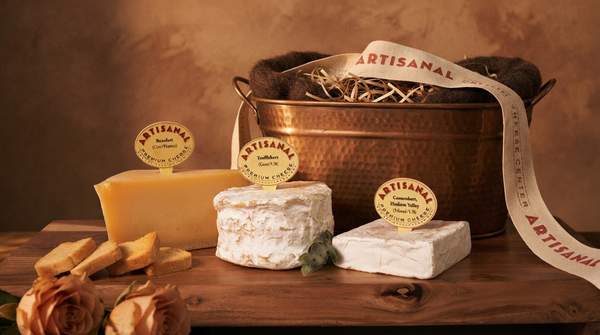
So build the board cheese-first: pick a range — soft, firm, something challenging — then choose accompaniments that either balance or echo each cheese's intensity. Wisconsin Cheese's staff writers make the same point from the pairing side: "match the level of intensity when pairing," they advise, whether the partner is jam or wine. That's the whole game in one sentence.