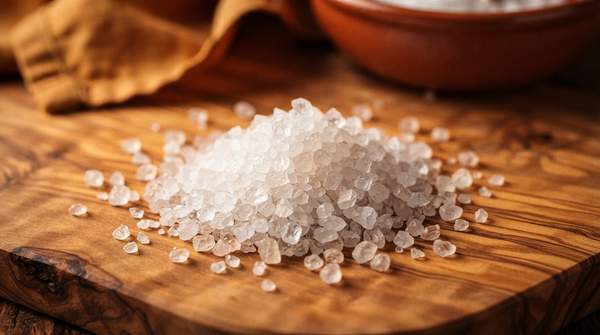
Here's the short answer: buy Himalayan pink salt if you want one versatile workhorse for cooking, and keep a delicate finishing salt—Fleur de Sel—for the final sprinkle. Then, if you want drama, add a Hawaiian red or black salt for color and crunch on finished dishes. That's the whole game. The real difference between artisanal salts isn't flavor intensity—SaltWorks, a specialty salt supplier, describes Himalayan and Alaea Hawaiian salt as so similar in taste that people use them interchangeably. The difference is texture, moisture, color, and when you use them.
Seasoning vs. Finishing: The Key Distinction
This is the decision that actually matters at the stove. When you're seasoning during cooking—soups, stews, marinades, brines—the salt dissolves and its crystal structure becomes irrelevant. Texture is wasted. That's a job for an all-purpose salt, and J.Q. Dickinson Salt-Works, which harvests artisanal salt in the West Virginia mountains, lists exactly these cooking applications for its salts.
Finishing is different. A pinch sprinkled over a finished salad, grilled steak, or roasted vegetables delivers a burst of flavor and, crucially, texture. According to the salt guide from SaltWorks, an artisanal salt's crystal structure and moisture content define that finishing moment—and that's where the delicate, expensive stuff earns its keep. So before you buy anything, ask: does this salt dissolve in the pot, or sit proudly on top of the plate?