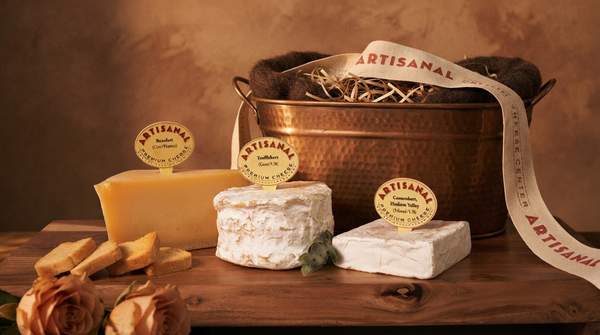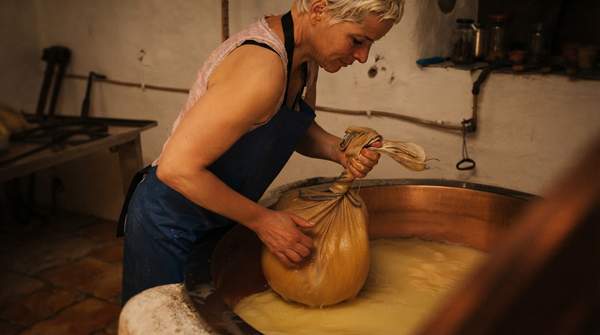
Want a cheese that melts into a silky sauce? Reach for one that was barely pressed and aged only briefly. Want one that shatters into savory granules over pasta? You need a cheese whose curds were cut small, pressed hard, and aged for the better part of a year. That's the whole secret: the decisions a cheesemaker makes—milk source, curd handling, aging time—determine the physical properties of the finished wheel, and those properties dictate what the cheese can do in your kitchen.
The Craft of Artisanal Cheese: Beyond the Basics
Here's the mental shift that changes how you shop. Stop thinking of cheese as a fixed list of names, and start thinking of it as the endpoint of a controlled process. Every wheel begins with the same raw material—milk, starter cultures, rennet, and salt—and then diverges based on craft decisions along the way.
Daylon Gardner, writing for Gardners Wisconsin Cheese and Sausage, describes artisan cheesemaking as transforming milk into a stable, flavorful product through controlled acidification, coagulation, curd handling, and aging. As Salif Thomas of Boarderie puts it, when it comes to cheese, "time is not just a measurement; it's an ingredient." The fresh, bland curd that comes out of the vat is nearly identical whether it's destined to become brie or a two-year-old hard wheel. What happens next is everything.