Short answer: yes, almost always. Cheese rinds is food safe, as cheesemonger Raymond Hook puts it plainly — but only some are meant to be eaten. The real question isn't safety, it's enjoyment. Bloomy and washed rinds are designed to be part of the tasting experience. Hard natural rinds are better in the pot than on the plate. And wax, cloth, and leaves? Those come off. Here's how to tell which is which.
Understanding Cheese Rinds: More Than Just a Wrapper
A rind is the outer layer that forms on cheese during aging. It's essentially the cheese's skin, and it does real work: it protects the wheel from harmful bacteria, mold, and oxygen while also shaping the flavor, texture, and aroma of what's underneath. Christine Clark, who has taught cheese classes since 2015, says the "can I eat the rind?" question comes up in every single class she teaches.
Her answer is a good one to keep in your back pocket: "You always can. But, whether or not you'd like to is up to you." Rinds form naturally or by the cheesemaker's hand — some are washed or rubbed with brine, wine, beer, or herbs; some are inoculated with specific mold or yeast cultures; some are sealed with wax, cloth, or leaves. How the rind was made tells you what it will taste like and what to do with it.
The 'Eat' Category: Flavorful and Intentional Rinds
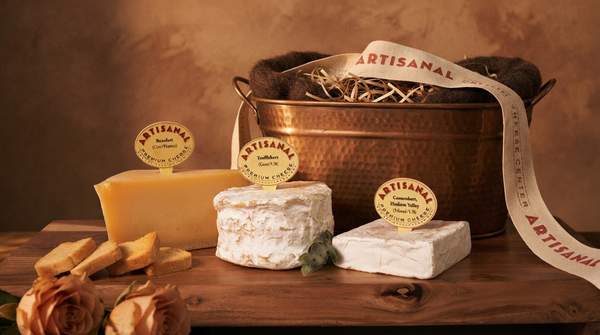
Bloomy rinds are the fluffy, white, snow-dusted exteriors you see on Brie and Camembert. They're coated with edible molds such as Penicillium candidum, and the cheese ripens from the outside inward — sometimes forming a seductive gooey "creamline" around the fudgy interior. Wisconsin Cheese's guide describes bloomy rinds as a flavorful, textured, and very edible crust that encourages the interior to ripen, giving soft-ripened cheeses their lusciously creamy texture. Expect notes of fresh pepper, baking bread, mushrooms, and earth. Examples include Camembert, Brie de Meaux, and Bonne Bouche.
Washed rinds get repeated washings with brine or alcohol, a technique that brings out savory flavors and introduces funky aromas that gently diffuse into the paste. These are your pungent, stinky cheeses — limburger is the classic example. Clark's advice: don't be scared of the stink. Some washed rind cheeses have a potent aroma but a surprisingly mild flavor. Taleggio, Winnimere, Époisses, and Gruyère all fall in this category.
Flavored rinds carry added flavorings — Cabra Romero, a Spanish goat cheese coated in rosemary, or Beehive Cheese's Barely Buzzed, rubbed with espresso and lavender. Hook counts flavored rinds among those you should feel free to enjoy.
The 'Cook With' Category: Natural Rinds for Culinary Depth
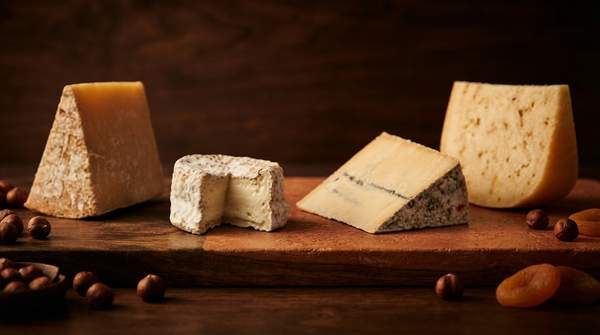
Natural rinds form from ambient microbes and the aging environment, without active washing or inoculation. They range from pliable to firm and cave-like — think aged Parmigiano Reggiano or an earthy Stilton. Technically edible, yes. But as Anne Saxelby of Saxelby Cheesemongers writes in The New Rules of Cheese, "I almost always eat the rind, unless the cheese is a firm cheese that is aged for a long time — like a year or more."
That's the texture problem: a long-aged natural rind is rough on the palate. But it's still packed with the rich flavor of the cheese — it just needs a little extra love to extract it. Wisconsin Cheese calls parmesan rinds "the bay leaves of the cheese world" for exactly this reason. So don't toss them. Freeze them.
Cheese Rind Decision Framework
Here's the at-a-glance version. Identify the rind by its appearance and type, then check the recommendation:
| Rind Type | Typical Characteristics | Flavor Contribution | Edibility Guide | Examples |
|---|---|---|---|---|
| Bloomy | Soft, white, fluffy exterior; ripens outside-in, often with a gooey creamline | Peppery, mushroomy, earthy, bready notes that diffuse into the paste | Eat — food safe and integral to the cheese | Brie, Camembert, Bonne Bouche |
| Washed | Developed by repeated washing with brine or alcohol; often aromatic | Pungent, savory, funky aromas; flavor can be milder than the smell suggests | Eat — the funk is part of the experience | Taleggio, Époisses, Gruyère, limburger |
| Flavored | Coated or rubbed with added flavorings | Whatever the maker adds — rosemary, espresso, lavender | Eat | Cabra Romero, Barely Buzzed |
| Natural | Formed by ambient microbes and aging conditions; pliable to very hard | Deep, savory, cave-like funk | Eat if you enjoy it; cook with it if too hard or leathery | Parmigiano Reggiano, Stilton |
| Wax | Inedible coating sealing the cheese | None — it's wrapping, not flavor | Avoid — remove before eating | Waxed cheddar wheels |
| Bandage-wrapped | Cloth wrapping that lets cheese breathe during aging | Contributes to complex flavor and dense, flaky texture | Avoid — remove the cloth before eating | Some aged cheddars |
Practical Guide: Elevating Dishes with Cheese Rinds
For rinds too tough to chew, the freezer is your friend. Janet Fletcher, who writes the Planet Cheese newsletter, suggests collecting rinds in a container in the freezer once you've grated all you can. Drop one into the pot when making minestrone or cooking beans — it adds lots of flavor. Save up several and you can make a Parm stock for risotto. Some stores, including Whole Foods, even sell the rinds so you don't have to hoard them.
Wisconsin Cheese suggests the same move for pasta sauce: parmesan rinds can instantly elevate any sauce or soup. The method is simple — add the rind to the simmering liquid, let it release its savory depth, and fish it out before serving. The rind won't melt; it infuses.
Your Cheese Rind Journey: Taste, Cook, or Discard
Here's the decision in one breath: eat bloomy, washed, and flavored rinds — they're intentional, food safe, and part of the flavor. Cook with hard natural rinds like Parmigiano Reggiano rather than chewing through them. Discard wax coatings and bandage-wrapped cloth, which Wisconsin Cheese's guide flags as inedible and best removed before enjoying the cheese.
And when in doubt, taste. Saxelby's advice is the most practical rule in this whole guide: if you're not sure about a rind, try a little bite along with the paste and see what you think. You might be surprised. The reader who successfully identifies a rind by its look and type — fluffy white, stinky and washed, hard and natural, waxy, or cloth-bound — and then makes an informed call on eating, cooking, or discarding it has gotten everything out of the cheese that the cheesemaker put into it.
Sources
- The Definitive Guide to Cheese Rinds and Which Are Edible — The Cheese Professor
- All About Cheese Rinds — Cheese Sex Death
- Cheese Rinds: A Cheese Lover's Guide — Wisconsin Cheese
- How to Eat Cheese Rinds — Capella Cheese
- Planet Cheese — Should You Eat That Cheese Rind? — Janet Fletcher