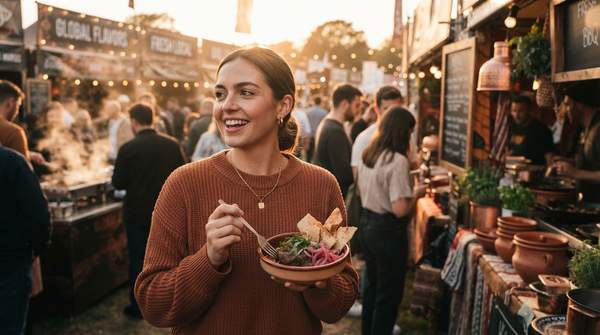
Food festivals come in recognizably different shapes, and the difference is mostly a matter of culinary focus. Some events orbit a single ingredient, others celebrate a region's harvest, a specific beverage, the newest cooking trends, or the full breadth of world cuisine. Understanding those five categories is the fastest way to filter the hundreds of events out there down to the one you will actually enjoy. This guide walks through each type, then helps you match your own tastes to it.
Understanding Food Festival Types
Anyone browsing festival listings quickly notices a pattern: events cluster around what is being celebrated rather than where or how. Wikipedia's directory of food and drink festivals, for instance, sorts events into subcategories such as cheese festivals, fruit festivals, garlic festivals, harvest festivals, meat festivals, seafood festivals, and vegan and vegetarian festivals. Event-industry idea pieces describe the same variety from the organizer's side, naming concepts like bizarre food festivals, themed stall festivals, trend-spotlight events, and season-specific celebrations. Distilling those examples yields five useful archetypes: Single-Ingredient, Regional & Harvest, Beverage-Focused, Culinary Innovation, and Broad Cuisine.
One caveat before choosing: this typology is a synthesis of common festival themes, not an official or exhaustive classification, and the atmosphere at any individual event can differ considerably from the type's typical character.
Food Festival Types at a Glance
The table below classifies the diverse examples from the evidence into these five types and compares them across the same three dimensions: what the food is, what the setting feels like, and what you actually do there.
| Festival Type | Culinary Focus | Typical Atmosphere | What to Expect |
|---|---|---|---|
| Single-Ingredient | One specific food item — mushroom festivals, garlic festivals, oyster festivals, pancake festivals | Deep dive into one food in depth, often including cook-offs | Many preparations and uses of a single ingredient; competitive cooking displays |
| Regional & Harvest | Local, seasonal bounty and regional food traditions | Community-centered and sustainability-minded, celebrating the essence of a season | Fresh, locally sourced dishes expressing spring freshness, summer warmth, autumn earthiness, or winter comfort; local vendors |
| Beverage-Focused | A specific drink — wine festivals and beer festivals | Tasting-and-appreciation oriented | Sampling, comparing, and learning about the featured drink |
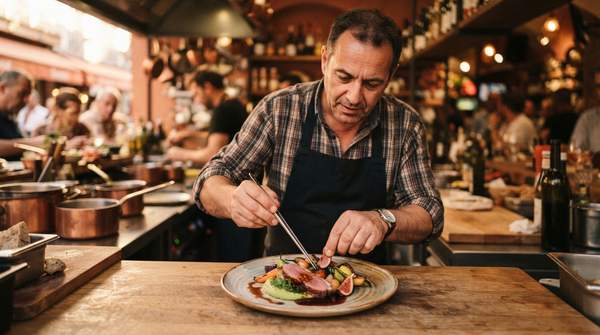
| Culinary Innovation | Avant-garde techniques, fusion dishes, and the year's most popular, groundbreaking food | Thrilling, curiosity-driven "taste adventure" with chefs as the stars | Daring creations from invited chefs, trend showcases, and awards for the best dishes |
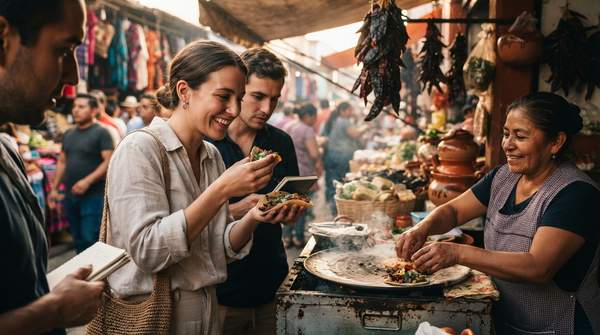
| Broad Cuisine | A wide array of cuisines and specialities, often in a street-food format | Sociable, outdoor, whole-family appeal, sometimes with live concerts | Sampling many different foods and drinks in one visit — street food to local specialities |
Read across the rows and the pattern is clear: the focus determines the atmosphere and the experience. A single-ingredient festival is intense and specific; a broad-cuisine festival is wide and social; innovation festivals are built around spectacle. The rest of this guide expands each row into a fuller picture of who it suits.