
Terroir
5 articles
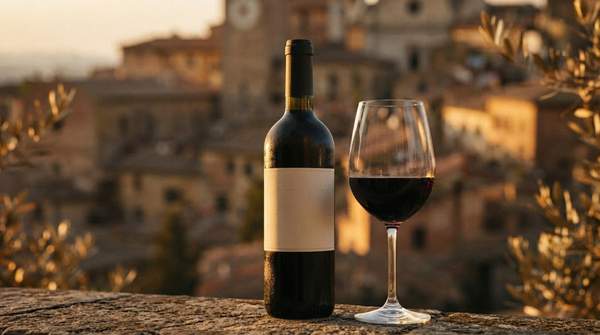
Why Tuscan Clay and Etna's Volcanic Ash Taste Different in the Glass: A Terroir Explainer
Terroir, the combined influence of soil, climate, topography, and human tradition, explains why Tuscan wines differ from those of Sicily's Mount Etna. Tuscan clay yields Sangiovese with body and structure, while Etna's volcanic soils and altitude produce reds of freshness and acidity.
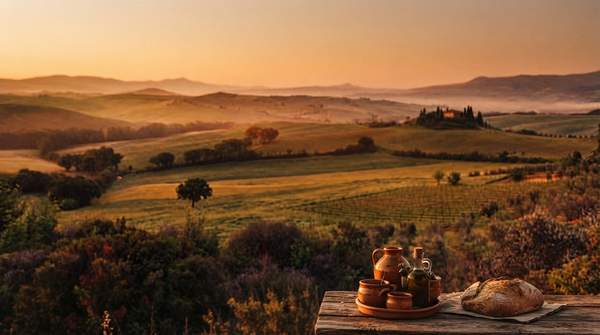
Terroir Explained: How Climate, Soil, and Human Hands Shape What's in Your Glass
Terroir is the combined influence of climate, soil, topography, and human choices on a wine's character, offering a deeper understanding beyond grape variety. This article breaks down the scientific framework of terroir into its physical, biological, and human components, explaining how they interact to shape what's in your glass.

Ghost Corner Sémillon Wins 2024 SA Terroir Trophy for Top Wine
For the second year running, Ghost Corner Wines has claimed the SA Terroir Trophy for Top Wine, this time with its 2024 Sémillon.

How Do Soil, Climate, and Topography Shape Wine Flavor?
In 2010, some Bordeaux wines reached an unprecedented 16% alcohol, a stark indicator of how quickly climate change is reshaping the very essence of classic wine regions.

Beyond the Number: How Altitude Shapes Mendoza's Finest Wines
High-altitude viticulture in Mendoza, particularly the Uco Valley, shapes wines through cooler temperatures and significant day-night shifts, leading to enhanced acidity, color, and tannins. Consumers should look beyond elevation numbers to understand a wine's true terroir by considering named origins and producer insights.