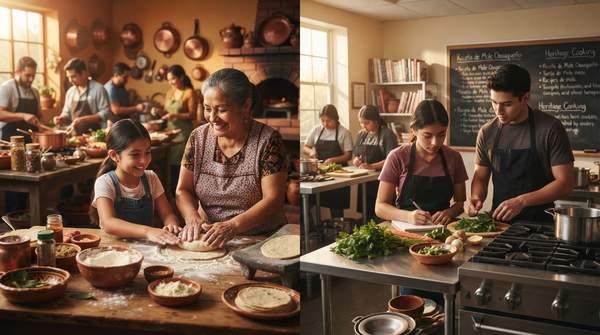
Eating with others isn't just a pleasant pastime. Studies show those who regularly share meals are happier, more trusting, and more engaged with their communities. A systematic review published in breaking bread: the functions of social eating - pmc indicates that by 2026, individuals frequently participating in global communal dining experiences are projected to report greater life satisfaction and larger support networks among friends. Yet, modern life increasingly pushes us towards isolated eating habits. This tension creates a measurable decline in happiness, trust, and community engagement. Companies and individuals inadvertently sacrifice essential human connection and well-being by neglecting shared meals, a trend that could exacerbate societal fragmentation and individual isolation.
More Than Just a Meal: Defining Communal Dining
Anthropological evidence suggests social eating evolved as a mechanism for social bonding, a basic human requirement, according to PMC. This makes sharing food more than a cultural preference; it is a deeply ingrained behavior benefiting both individuals and our species' social evolution. Communal dining extends beyond simply eating near others. It encompasses shared experiences that foster essential social connections, benefiting individuals and groups alike. This includes family dinners, community potlucks, workplace meals, or informal gatherings among friends. Given its evolutionary purpose, policymakers and community leaders should view communal dining not as a social amenity, but as a critical public health intervention for mental well-being and civic engagement. It promotes healthier, more connected populations and fosters trust and cooperation. For more, see our Why the Evolution Communal Dining.
The Ingredients of Connection: What Makes Shared Meals Special
Evening meals where respondents feel closer to others involve more people, more laughter, reminiscing, and alcohol, according to PMC. These elements amplify closeness, driving greater happiness and social trust beyond the simple act of eating. Genuine interaction, marked by shared joy and personal stories, appears to be a key ingredient. This intentional engagement fosters deeper relationships and strengthens social networks. Merely eating in the same room is insufficient. Intentional efforts to foster genuine interaction are crucial for unlocking the full psychological benefits of shared meals. Such focus on interaction reveals the cultural significance of food rituals, moving beyond sustenance to build lasting bonds and belonging.