Ras el Hanout, a renowned North African spice blend, boasts a rich history deeply intertwined with ancient trade routes and cultural exchanges. Its evolution from traditional, highly complex mixtures to modern, adaptable compositions reflects centuries of culinary innovation and regional influences. For home cooks and food historians, understanding this journey offers a deeper appreciation for its significance in North African gastronomy.
Introduction to Ras el Hanout: Meaning and Complexity
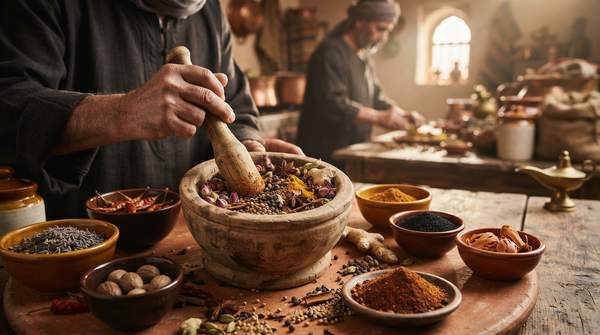
Ras el Hanout stands out as one of the most intricate spice blends available, with traditional recipes historically incorporating anywhere from 24 to 40 different spices. The name itself, "Ras el Hanout," literally translates to "head of the grocery store" or "the best in the store," according to Max Daumin, a purveyor of fine spices. This designation highlights its premium status and the expertise involved in its creation by spice merchants. While sometimes compared to curry, Ras el Hanout distinguishes itself with pronounced floral and citrus notes, reflecting its unique blend of ingredients.
Origins and Early History: Middle Ages North Africa
The origins of Ras el Hanout are not precisely known, but its use can be traced back to the Middle Ages, primarily in North African countries such as Morocco, Tunisia, and Algeria. Mentta, a food and lifestyle blog, notes that it became an essential part of the culinary tradition in these regions. Max Daumin further specifies that its presence was documented mainly in Morocco, where it reflected the refined Moroccan gastronomy found in royal cities of the era. Historically, each merchant or family crafted their own unique blend, making Ras el Hanout a symbol of quality and a testament to their knowledge of spices.
The Spice Trade's Influence: Routes and Ingredient Diversity
Morocco's strategic geographical position played a crucial role in the development of Ras el Hanout's diverse ingredient profile. As a significant gateway for goods flowing between Africa and Europe, Morocco became an important player in the broader spice trade, as detailed by Spice Station Silverlake. This facilitated the assimilation of spices from across the globe into Moroccan food culture. The ancient Silk Road, for instance, was instrumental in the exchange of goods, ideas, and cultures, with spices being a vital component of this vibrant trade. Merchants traversed challenging terrains to bring coveted spices to distant markets, fueling cultural exchange and the growth of civilizations. This access to a wide array of global spices directly contributed to the virtually unlimited variety seen in Ras el Hanout blends.
Evolution of Ingredients: From Traditional to Modern Blends
The ingredient composition of Ras el Hanout has undergone significant evolution. Historically, some traditional recipes were remarkably complex, sometimes including 24 to 40 spices, and even contained elements now recognized as toxic, such as Belladonna and Cantharide fly, according to Max Daumin. Belladonna is a plant toxic in certain doses, and the Cantharide fly secretes Cantharidin, which is poisonous in high doses. These specific toxic ingredients are no longer used in modern blends due to health concerns.
Today, contemporary Ras el Hanout blends typically feature 10 to over 30 ingredients. Common spices found in modern formulations include cumin, cilantro, cinnamon, ginger, turmeric, black pepper, cardamom, and nutmeg, as noted by Mentta. PepperScale highlights that there is no single agreed-upon recipe, allowing both spice merchants and home cooks the freedom to create blends with as many spices as they desire. Variations exist depending on the spice merchant, region, and even from family to family, resulting in a highly variable flavor profile for each blend. While some blends may include chili peppers for heat, it is not a mandatory component.
Cultural Significance and Culinary Role
Ras el Hanout holds deep cultural significance in North African cuisine, particularly in Morocco, where it is considered an essential spice blend. Its name, "head of the grocery store," reflects its premium status and the expertise of the spice merchant who curated the finest spices for the blend. Mentta emphasizes that it was historically a symbol of quality and knowledge. This complex, aromatic, and often slightly spicy blend with sweet, earthy, and warm notes is versatile in its culinary applications.
It is commonly used in traditional dishes such as couscous and tagines, where it adds depth and aroma. Max Daumin suggests its aromatic complexity can also enhance vegetables, sauce dishes, and even desserts like Moroccan Feqqas. Mentta recommends using it for slow-cooked meats, chicken, vegetable dishes, marinades for lamb, chicken, or beef, roasted or sautéed vegetables, rice, legumes, soups, and stews. Its integration into such a wide array of dishes underscores its role as a "master blend" in regional gastronomy.
The Historical Journey of Ras el Hanout
The following chronology illustrates the key periods and developments in the evolution of Ras el Hanout:
| Historical Period | Key Developments | Ingredient Evolution | Cultural Significance |
|---|---|---|---|
| Middle Ages | Ras el Hanout's use can be traced back to this period, primarily in North African countries like Morocco. | The exact origins are unknown, but its presence is documented from this era. | Reflected fine Moroccan gastronomy in royal cities. |
| Ancient Trade Routes | Morocco's role as a crucial gateway for goods between Africa and Europe facilitated the assimilation of diverse spices into its food culture. | This access to global spices directly influenced the complexity of blends like Ras el Hanout. | Fueled cultural exchange and the growth of civilizations. |
| Traditional Composition | Historically, Ras el Hanout recipes were highly complex, sometimes including 24 to 40 spices, and even toxic elements like Belladonna and Cantharide fly. | These specific toxic ingredients are no longer used in modern blends. | Symbolized quality and the spice merchant's knowledge. |
| Modern Composition | Contemporary Ras el Hanout blends typically contain 10 to over 30 ingredients, focusing on common spices like cumin, cilantro, cinnamon, ginger, and turmeric, omitting historical toxic components. | There is no single recipe, and variations exist among different spice merchants. | Maintains its status as an essential and versatile blend in North African cuisine. |
| Name Meaning | The name 'Ras el Hanout' literally translates to 'head of the grocery store', signifying the blend as the best or finest offering from a spice merchant. | This reflects its premium status and the expertise involved in its creation. | Emphasizes the blend's value and the merchant's skill. |
| North African Cuisine | Ras el Hanout is a very popular and essential spice blend in North African countries, particularly Morocco, reflecting its deep integration into regional gastronomy. | It is often referred to as a 'master blend' due to its complexity and versatility. | Deeply integrated into traditional dishes like couscous and tagines. |
Deepening Culinary Appreciation with Ras el Hanout
Home cooks and food historians can enhance their culinary appreciation by understanding Ras el Hanout's rich historical evolution, diverse ingredient influences, and cultural significance. This knowledge can lead to increased use of Ras el Hanout in diverse culinary applications, and engagement with its historical context.
Sources
- What is Ras el Hanout? History, origin and cuisine — Maxdaumin
- What is ras el hanout? Its origins and how to use this spice blend — mentta
- The Spice Trade: From Ancient Routes to Modern Globalization — Spicestationsilverlake
- What Is Ras El Hanout? The Story Behind The Spice — PepperScale