In Ludhiana, Punjab, urban women are spicing things up, consuming an average of 10.04 grams of spices daily! That's nearly 30% more than their rural counterparts, according to a study on pmc.ncbi.nlm.nih.gov. This isn't just a number; it's a peek into how our essential pantry spices vary wildly within a single region, impacting everything from health to culinary traditions!
Spices are flavor powerhouses, universally cherished for their sensory punch and cultural significance. But here's the rub: accurately measuring their individual dietary intake and health impact? That's still a massive scientific challenge! This disconnect means we're often missing the full, vibrant picture of what these incredible ingredients truly bring to the table.
So, while we can't deny the culinary magic and cultural roots of spices, a clearer grasp of their precise nutritional and health effects on populations will stay out of reach until we develop more robust measurement methods. That's the core challenge for truly understanding spice origins, flavor, and uses, even with current data!
What exactly are we talking about? Spices are the dried power-parts of plants—think seeds, fruits, roots, bark, or flowers—used primarily for flavoring, coloring, or preserving our food. They're distinct from herbs, which usually come from leafy green bits. For thousands of years, spices have been absolutely integral to human diets and global trade, literally shaping cuisines across every continent!
The Hidden Weight of Flavor: Quantifying Spice Consumption
Let's dive into the numbers! A study in Ludhiana district, Punjab, India, involving 200 households (half urban, half rural), gave us some concrete data on spice intake, as reported by a study. The big takeaway? Urban adult women packed away an average of 10.04 grams of spices daily. That's significantly more than the 7.68 grams consumed by rural adult women—a nearly 30% difference!
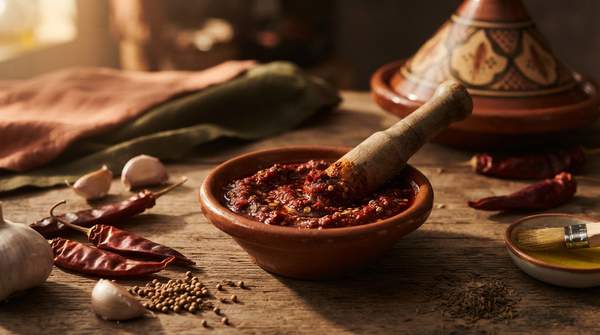
Talk about a fan favorite! Red chilli powder absolutely dominated, showing the highest mean intake across both groups. Urban women consumed 3.19 grams daily, while rural women weren't far behind at 2.41 grams. This consistent dominance screams a powerful preference for that specific sensory kick, proving some flavors just transcend environmental factors!

That 30% higher daily spice intake among urban women isn't just a statistic; it's a clear signal that dietary patterns are rapidly shifting with urbanization. This isn't merely a static cultural practice anymore! This trend could spark unforeseen health and economic implications for urban populations, making it clear that spices are substantial dietary components whose consumption patterns are dynamically shaped by modern living and evolving culinary preferences, not just tradition.
While the pmc.ncbi.nlm.nih.gov study acknowledged estimating individual spice intake is challenging due to small consumption quantities, its successful quantification of average daily intake for distinct populations reveals a crucial nuance. The research provided precise figures for urban and rural women, including specific data for red chilli powder.
This contrast is huge! It means that while tracking every single gram for an individual might be complex, quantifying intake at the aggregate or group level is absolutely achievable. This kind of population-level data throws open the doors to valuable insights into dietary trends. It makes you wonder if the 'challenge' in measurement has been a bit overstated for broader dietary assessment studies. It's time for scientific research to rethink how it defines and tackles these so-called challenges!
Beyond the Gram: The Art and Challenge of Understanding Spice Impact
Spices create a symphony of sensations, with compounds interacting directly with our taste buds and olfactory receptors, even triggering physical responses, according to Brewandfeed. This intricate interplay is why thoughtful spice pairing is an art form, considering contrast, complement, regional traditions, and spice texture.
However, this very potency and nuanced application make scientific quantification difficult. Estimating individual spice intake remains challenging due to the extremely small quantities typically consumed in any single dish, as noted by pmc.ncbi.nlm.nih.gov. We are talking about tiny amounts with huge flavor impacts, hard to track precisely!
The detailed consideration of spice pairing by culinary experts, juxtaposed with the scientific struggle to quantify individual intake, reveals a profound disconnect. The art of spice use is far more advanced than the science of its dietary impact. The persistent challenge indicates a critical blind spot in nutritional science, leaving a vast area of human diet and health largely unexamined.
What are the most common pantry spices?
Common pantry spices often include staples like black pepper, cumin, turmeric, and coriander. Black pepper, for instance, is the world's most traded spice, originating from the pepper plant grown in tropical regions like India and Vietnam. These form the foundation of many home kitchens.
How do spices enhance food flavor?
Spices enhance food flavor through a complex interaction of volatile aromatic compounds that trigger both our taste buds and olfactory receptors. Capsaicin in chili peppers creates a heat sensation, while eugenol in cloves offers warm, aromatic notes, adding layers of depth beyond basic tastes.
What are the origins of common kitchen spices?
Many common kitchen spices boast ancient origins. Cinnamon traces its roots to Sri Lanka and India, while ginger and turmeric both originated in Southeast Asia. Black pepper, a global staple, also comes from the Malabar Coast of India, spreading through ancient trade routes.
If new dietary assessment tools can bridge the gap between culinary art and scientific measurement, we'll likely uncover profound, previously hidden health benefits of our daily spice intake.